
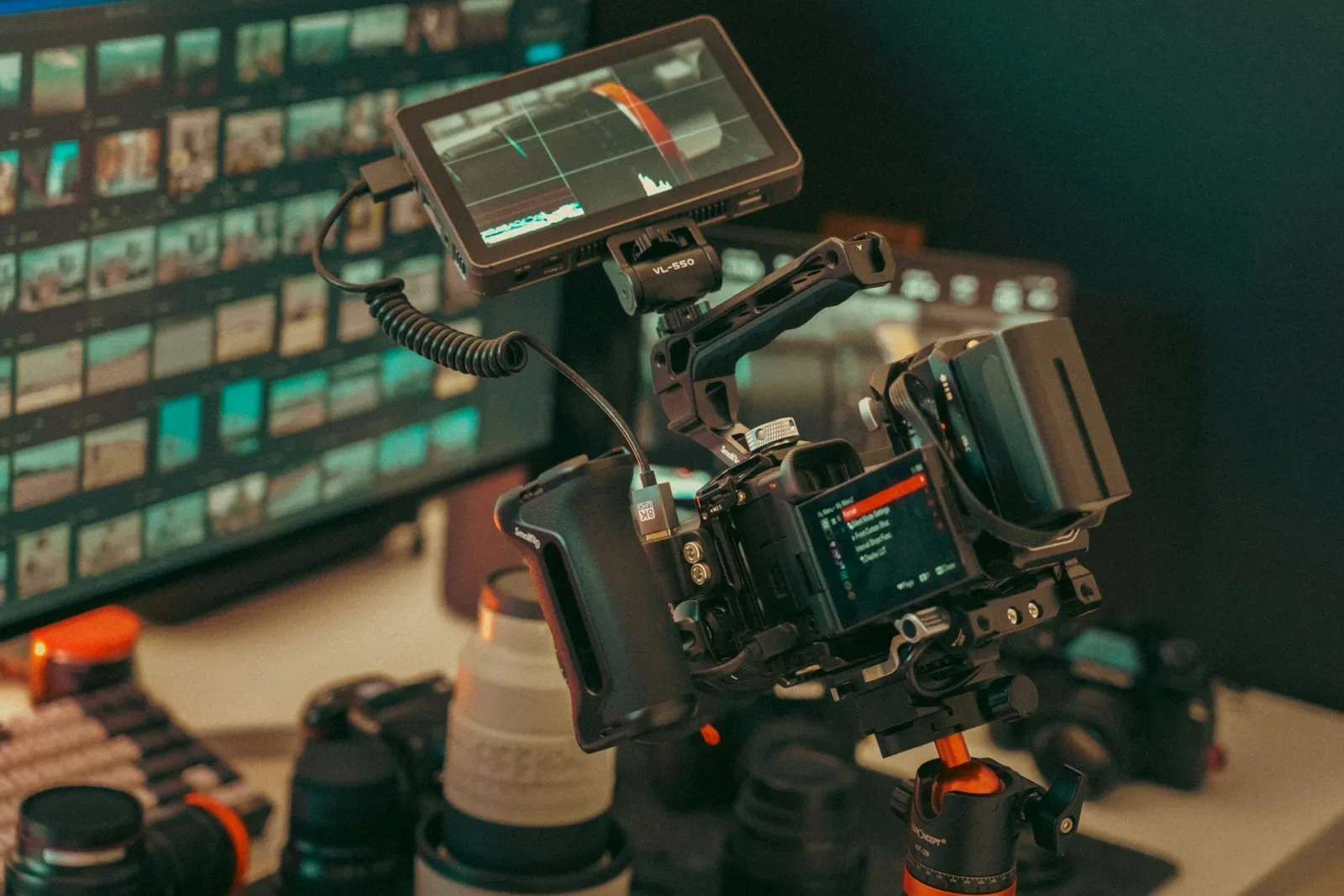

AI video generation stands at the intersection of storytelling, automation, and raw computational innovation. Just a few years ago, the idea of a machine producing a believable, fluid video from a simple text prompt would have seemed like science fiction. Today, not only is this reality, but the creative and technical communities are racing to keep pace with the rapid evolution of generative models powering these breakthroughs. In this article, we take a critical look at how AI video generation works, trace its journey from GANs to diffusion models, survey the leading tools and platforms, and examine how cloud-based, browser-first platforms like TimrX are democratizing access to this transformative technology.
Understanding AI Video Generation: From Text to Moving Images
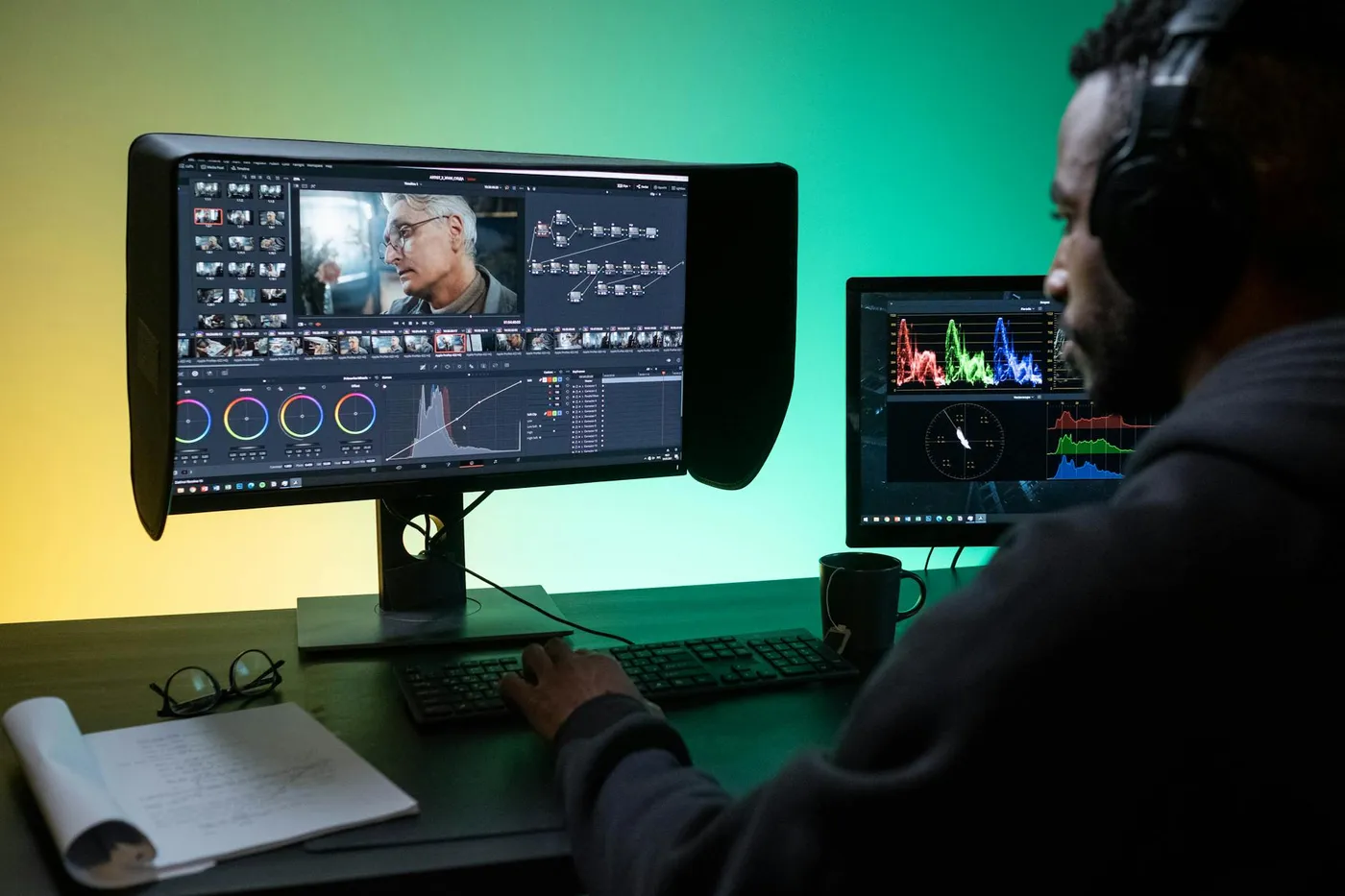
At its core, AI video generation is the process of synthesizing video content using machine learning models trained on vast datasets of visual and motion data. The modern landscape is defined by 'text to video AI' systems — models that can transform natural language descriptions into coherent video sequences. These systems interpret a user's prompt, map it to visual concepts, and then render a series of frames that, when played in sequence, create a video.
The pipeline typically involves several stages: prompt encoding (where language is converted into embeddings), scene and object synthesis (where visual elements are imagined), temporal modeling (to ensure motion continuity), and finally, rendering or upscaling of the frames. Some systems also allow for 'image to video' or 'image-to-3D' workflows, expanding the creative possibilities for artists and developers alike [1][3].
From GANs to Diffusion: The Evolution of Generative Video Models

The history of AI video generation is essentially the story of generative models. Early attempts relied heavily on Generative Adversarial Networks (GANs), which pit two neural networks against each other to synthesize realistic images. While GANs excelled at single-frame generation (think deepfakes or image upscaling), they struggled with temporal consistency — the crucial challenge in video generation, where each frame must relate logically to its predecessor and successor [3].
The advent of diffusion models marked a paradigm shift. Unlike GANs, diffusion models generate video by gradually refining random noise into a coherent sequence based on a user prompt or conditional input. This process is computationally intensive but yields significantly higher video fidelity and motion coherence. According to industry analysis, diffusion-based models are now at the heart of leading-edge text-to-video AI platforms, offering improved control, longer coherence times, and more faithful prompt interpretation [1][3][4].
Hybrid architectures are also emerging — combining transformer-based temporal modeling, neural rendering, and even explicit physics simulation — to address the nuances of scene dynamics and camera movement. The pace of research is relentless, and model architectures are evolving monthly, if not weekly.
State of the Art: Current Tools and AI Video Generator Platforms
Several commercial and open-source solutions now enable creators to experiment with AI video generation, each with unique strengths and tradeoffs. Some platforms focus on ease of use and browser-based accessibility, while others prioritize professional-grade outputs, API workflow integration, or customization capabilities. Web-based tools like TimrX’s AI Video Generator exemplify this new wave of creative infrastructure, providing everything from prompt-driven video synthesis to modular workflow assembly.
Popular use cases include: - Rapid prototyping of storyboards or animatics from scripts - Generating marketing or explainer videos without dedicated crews - Visualizing 3D scenes or product concepts for iteration - Augmenting traditional VFX pipelines with AI-generated assets - Enabling individual creators to produce short films or social content at scale [2][5]
- Text-to-video synthesis from natural language prompts
- Image-to-video transformation (e.g., animating stills)
- Custom model fine-tuning for industry-specific visuals
- API-driven batch generation for large-scale projects
- Integration with 3D and AR/VR pipelines
Leading tools in this space include both research-facing projects and commercial web platforms. The key differentiators are usually model fidelity, video length, frame rate, customization options, and the ability to chain video generation with other AI workflows — such as AI image generation, 3D model synthesis, or downstream editing tools. For a deeper look at how similar advances have transformed other creative domains, see our article What Is AI Image Generation? A Practical Guide for Creators and Developers.
Creative and Production Workflows: Harnessing AI Video Generators
The arrival of AI video generators is not merely a matter of automation or cost reduction — it is fundamentally changing the creative process itself. For filmmakers, game designers, marketers, and 3D artists, these tools can serve as both accelerators and amplifiers for ideation, prototyping, and even final production [2].
A typical workflow today might involve: 1. Drafting a script or prompt 2. Using a text-to-video AI to generate a rough cut 3. Editing or refining video segments (either manually or using AI-powered editing tools) 4. Integrating AI-generated assets with real footage, 3D renders, or soundtracks 5. Exporting for review, iteration, or final delivery TimrX's modular toolchain, accessible at AI Tools, allows for seamless chaining of these steps, enabling creators to iterate rapidly and experiment with different generative approaches.
- Scriptwriting or prompt engineering
- Text-to-video synthesis and frame selection
- AI-assisted editing or upscaling
- Compositing with traditional VFX or live-action
- Export and delivery to client or audience
Importantly, the creative role of the human operator is not diminished but reconfigured. Prompt engineering, curation, editing, and creative direction become paramount. The AI video generator acts as a collaborator, producing a near-infinite array of visual possibilities from which the creator selects and shapes the final product.
Web-Based AI Platforms: Lowering Barriers to Entry and Accelerating Innovation
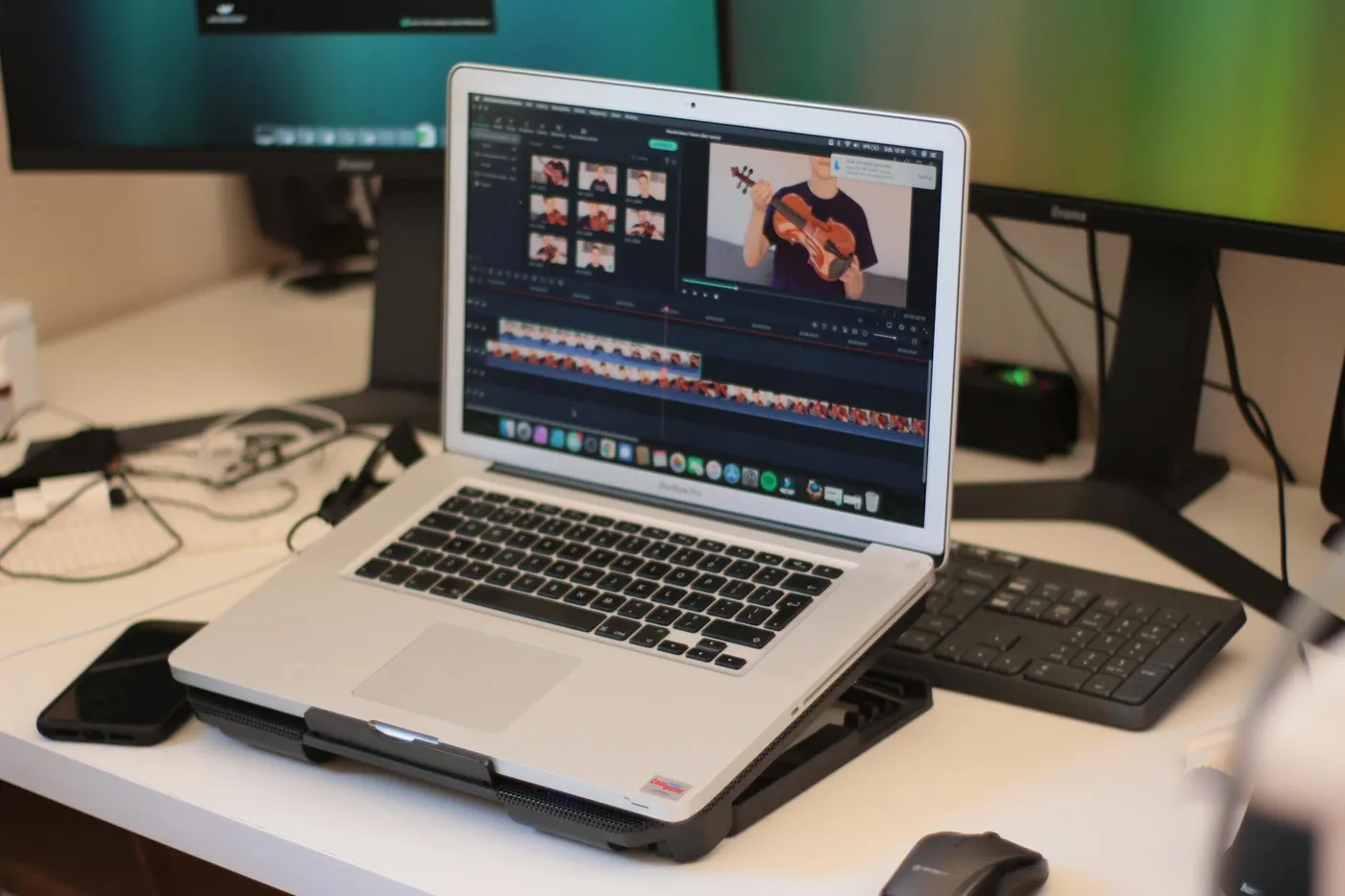
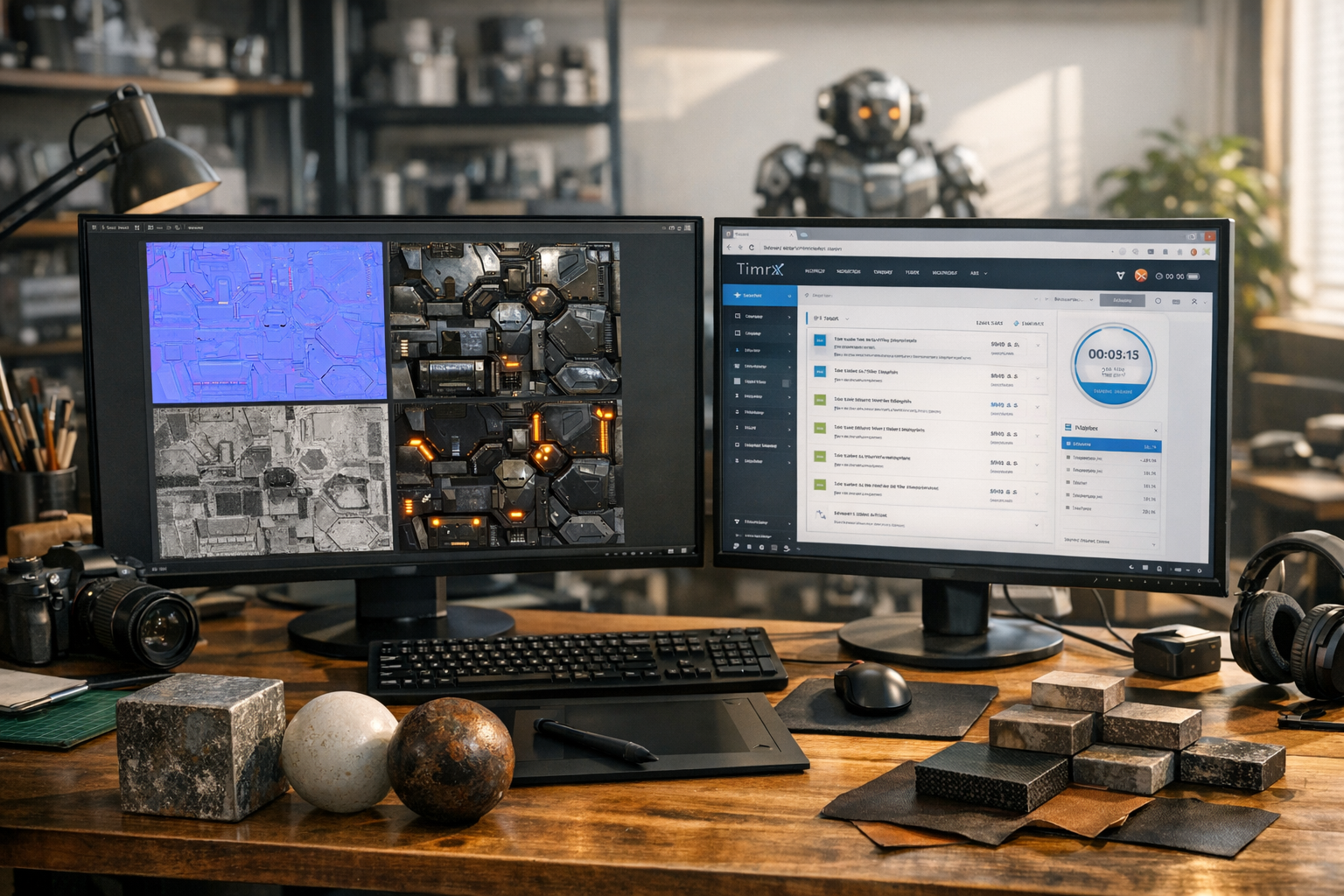
The shift to browser-based, cloud-powered AI video generation platforms is arguably as significant as the underlying model breakthroughs themselves. Platforms like TimrX provide a unified interface for experimenting with generative pipelines, without the need for extensive local compute or complex software installations.
This accessibility unlocks several advantages: - Rapid prototyping and iteration from any device - Collaborative workflows, where teams can share and tweak prompts or outputs - Integration with other generative modalities (e.g., AI image or 3D model generation) - Scalable compute resources for longer or higher-resolution videos - Lower barriers for non-technical creators and cross-disciplinary teams On TimrX, creators can assemble modular pipelines that span text, image, video, and 3D outputs, all within a browser tab. This flexibility supports everything from solo experimentation to production-ready asset pipelines. Explore available workflows at the TimrX Hub.
Challenges, Limitations, and the Road Ahead
Despite the astonishing progress, AI video generation still faces real challenges: maintaining temporal coherence in long videos, handling complex camera motion, and avoiding uncanny or implausible outputs. Ethical considerations around deepfakes, copyright, and authenticity are also pressing concerns [1][2].
As diffusion models and hybrid architectures continue to mature, we can expect improvements in video length, realism, and controllability. The integration of physics-aware models, personalized fine-tuning, and real-time feedback loops could further expand creative possibilities. According to industry observers, the next wave of innovation may come from the intersection of generative models with traditional VFX, 3D, and AR/VR pipelines, enabling entirely new forms of interactive and adaptive media experiences [3][5].
Conclusion: A New Era for Video Content Creation
AI video generation is not simply a technical novelty — it represents a genuine paradigm shift in how we imagine, design, and produce moving images. As generative models grow more capable and accessible, creative and production workflows are being redefined, empowering a broader range of creators and accelerating the pace of innovation. Web-first platforms like TimrX are at the forefront of this transition, providing the infrastructure for a new era of generative media. For creators, developers, and technologists, the essential task now is not just to use these tools, but to shape the workflows, ethics, and aesthetics of this rapidly evolving field.
FAQ: AI Video Generation
- What is AI video generation? AI video generation is the process of creating video content from prompts, images, or other data using machine learning models trained on visual and motion datasets.
- How does text-to-video AI work? Text-to-video AI systems interpret natural language prompts, generate visual concepts, and render a sequence of frames, creating coherent video output.
- What are the main models used in AI video generation? Modern systems use diffusion models, which iteratively refine noise into video, often combined with transformers for temporal consistency.
- Can I use AI video generators in a browser? Yes, platforms like TimrX provide browser-based tools for prompt-driven video synthesis and collaborative workflows without local installation.
Sources
- [1] AI Video Generation: How Emerging Models Are Transforming Content Creation
- [2] How Generative AI Is Changing Creative Work
- [3] How do AI models generate videos? - MIT Technology Review
- [4] AI Video Generation - What Does Its Future Hold? - The Visla Blog

Comments 0
Be the first to comment on this post.