

Artificial Intelligence (AI) has dramatically transformed the way digital content is created and consumed. Among its many applications, AI image generation stands out as a revolutionary technology that allows developers and creators to generate images with minimal human intervention. This guide will delve into the nuances of AI image generation, exploring how it works, its real-world applications, the challenges it faces, and how platforms like TimrX are shaping its future.
How AI Image Generation Works
AI image generation involves using machine learning techniques to create images from scratch or transform existing ones. At the heart of this process are algorithms like Generative Adversarial Networks (GANs) and diffusion models, which learn from vast datasets to produce new visuals. GANs consist of two neural networks, a generator and a discriminator, that work together to create images. The generator creates images, while the discriminator evaluates them, helping the generator improve over time.

Understanding Diffusion Models and Generative AI
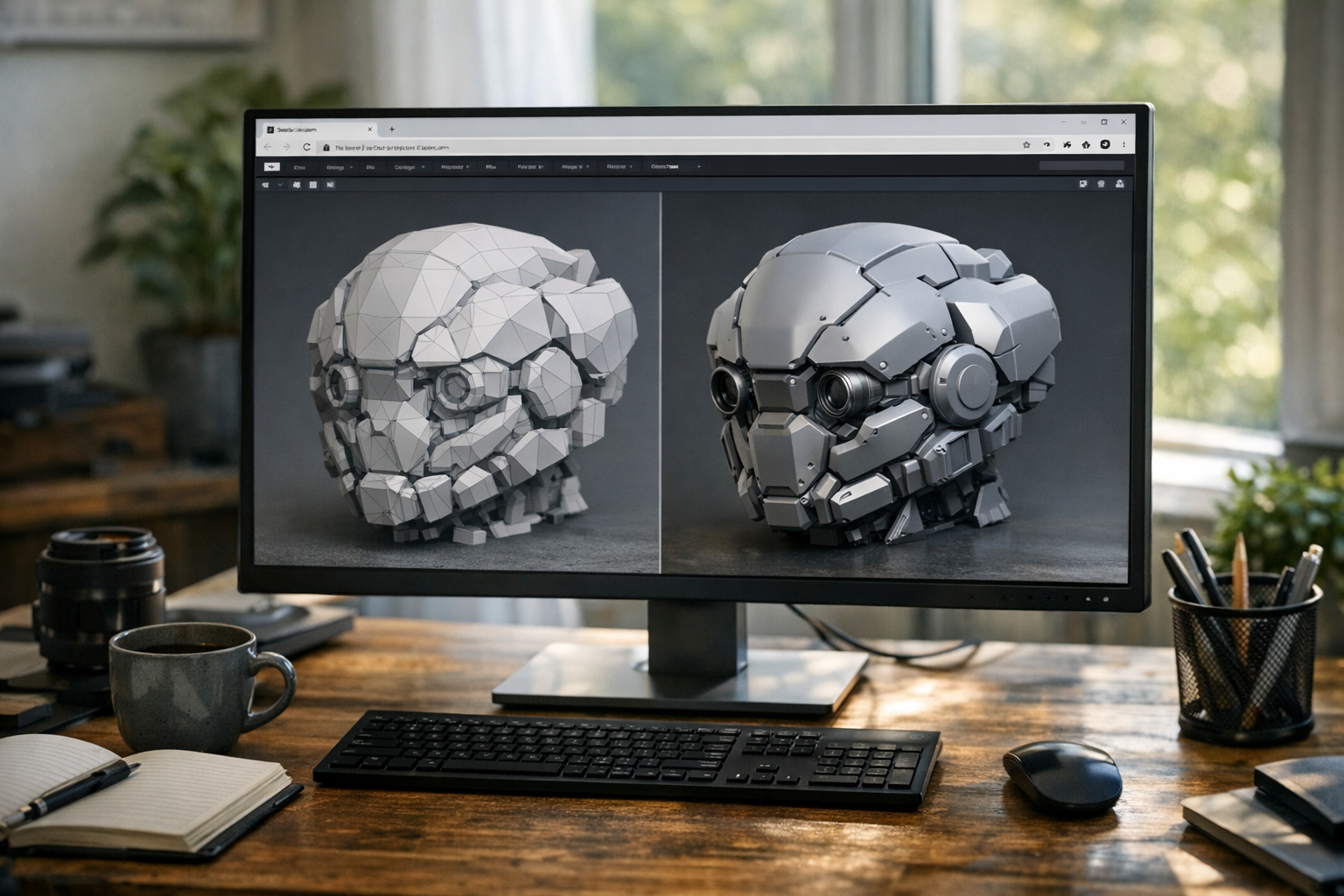
Diffusion models are a class of generative models that have gained popularity for their ability to produce high-quality images. Unlike GANs, diffusion models work by gradually transforming random noise into an image through a series of steps, which makes them particularly effective in generating fine details. These models have shown remarkable success in tasks that require high fidelity and diversity of outputs.
Real-World Applications of AI Image Generation
AI image generation is used across various industries, from entertainment to healthcare. In the creative sector, artists use AI to explore new styles and create unique artworks. In marketing, AI-generated images help produce personalized advertisements. Moreover, in medical imaging, AI assists in generating detailed scans for diagnostic purposes. The flexibility and efficiency of AI image generation tools make them invaluable in speeding up workflows and expanding creative possibilities.
Challenges and Limitations
Despite its advancements, AI image generation faces several challenges. One significant issue is the potential for bias, as models trained on biased datasets may produce skewed results. Additionally, the computational cost of training and running these models can be high, making them less accessible for smaller organizations. Furthermore, the ethical implications of AI-generated content, such as deepfakes and unauthorized use of likenesses, pose serious concerns.
How Creators Use AI Image Generation in Workflows
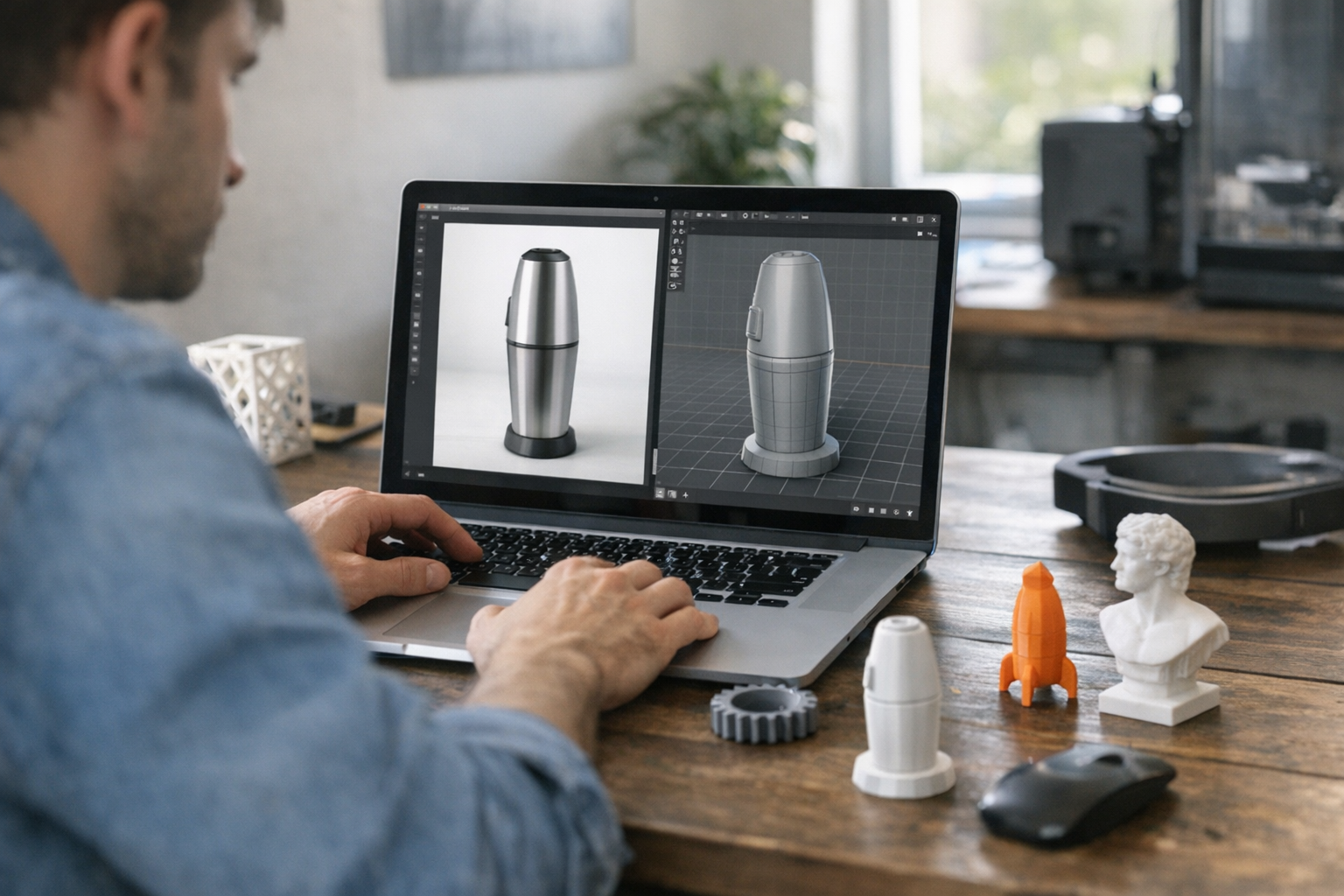
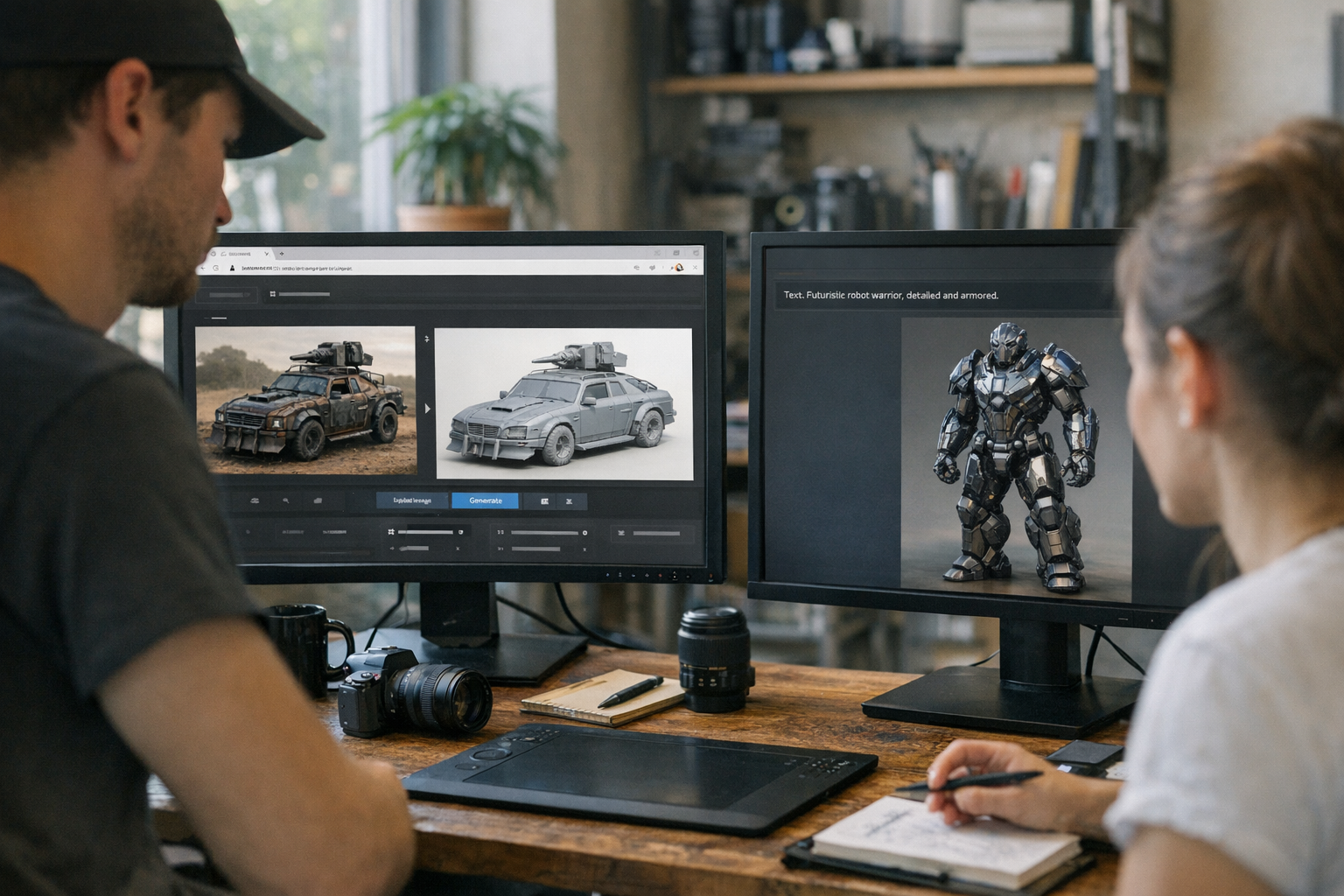
Creators integrate AI image generation into their workflows to enhance productivity and creativity. By using AI tools, artists can automate repetitive tasks, allowing them to focus on high-level creative decisions. Developers utilize AI to prototype visual elements quickly, speeding up the design process. AI also enables the creation of dynamic content that can adapt to user interactions, providing personalized experiences.
The Role of Browser-Based AI Platforms like TimrX
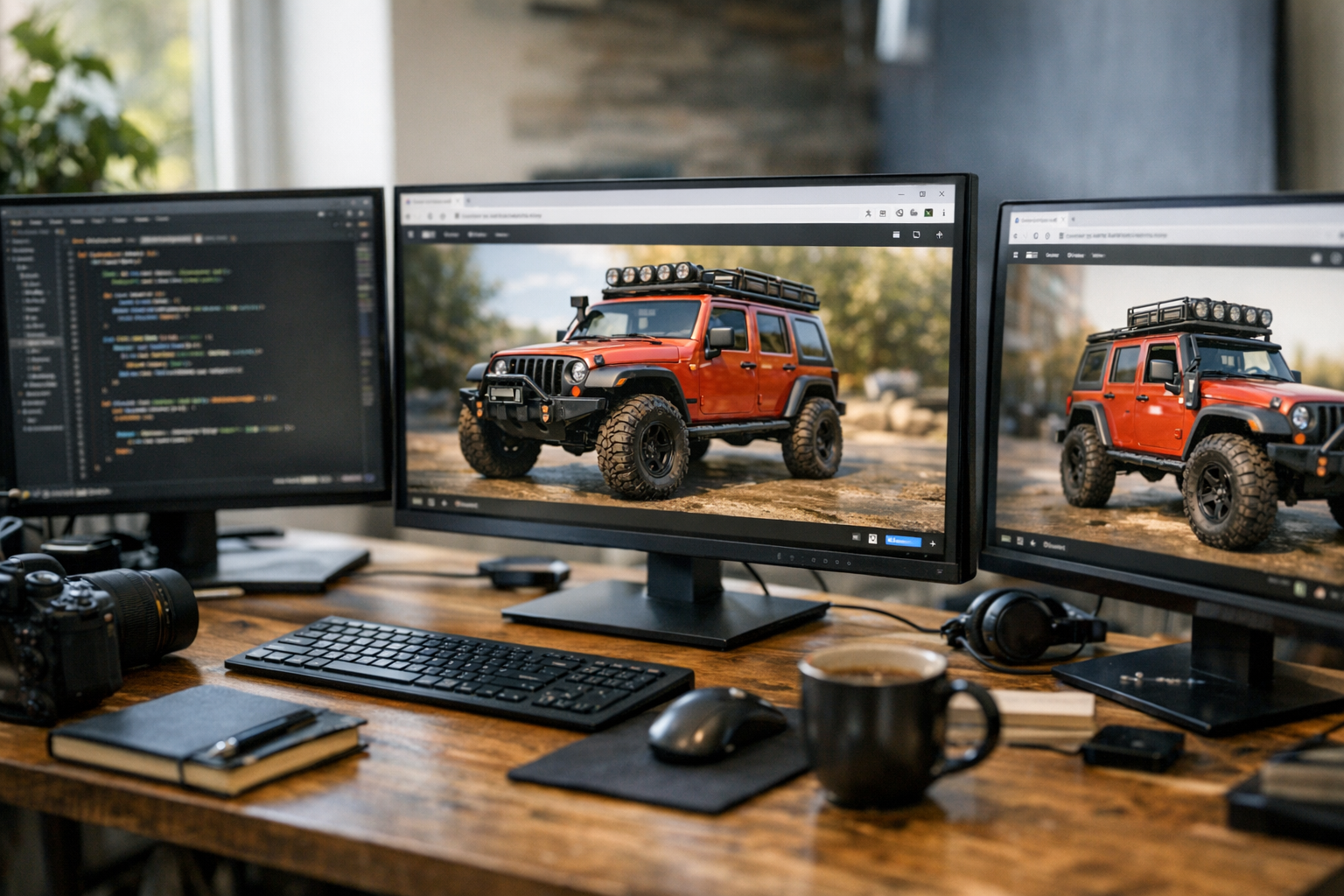
Platforms like TimrX are pivotal in democratizing AI image generation. By offering web-based tools, TimrX allows creators and developers to access powerful AI capabilities without the need for extensive hardware or expertise. This accessibility fosters innovation, enabling a wider range of users to experiment with AI technologies. TimrX's integration of AI tools into browser-based environments simplifies the workflow, making advanced image generation techniques available to everyone.
For more on the evolution and reliability of generative AI, consider reading From Generative Hype to Zero Harm: Why AI Is Moving Toward Mission-Critical Reliability.
Conclusion
AI image generation is a rapidly evolving field that offers immense potential for innovation across industries. While there are challenges to overcome, the benefits of AI in enhancing creativity and efficiency are undeniable. As tools continue to improve and become more accessible through platforms like TimrX, we can expect AI image generation to play an increasingly integral role in digital content creation.
FAQ
- What is AI image generation? It is the use of AI algorithms to create or transform images with minimal human input.
- How do AI image generators work? They use algorithms like GANs and diffusion models to learn from data and generate new images.
- What are the applications of AI image generation? Applications include art, marketing, medical imaging, and personalized content creation.
- What challenges does AI image generation face? Key challenges include bias, high computational costs, and ethical concerns.
Comments 0
Be the first to comment on this post.