


It was a simple idea: integrate an AI-generated 3D model into a web page using the latest WebGL frameworks. The concept was sound, the tools were cutting-edge, but as the page loaded (or attempted to), the browser stuttered, gasped, and finally crashed. This was not the smooth, seamless experience we had envisioned.
Why Modern Digital Experiments Often Break
Digital projects today are a playground for innovation, where AI tools and 3D content promise to revolutionize the web. However, this complexity often leads to initial failures. The integration of AI accelerates creation, but also adds layers of complexity. AI models, while powerful, demand significant computational resources, which can strain web performance.
The Challenge of Integrating 3D Content
Incorporating 3D graphics into web pages is no small feat. While visually impressive, these elements can drastically affect performance. The difference between something that 'looks impressive' and something that 'feels smooth' often lies in the technical decisions made during development. Optimizing these models for the web without sacrificing quality is a delicate balance.

Performance Issues and Their Revelations
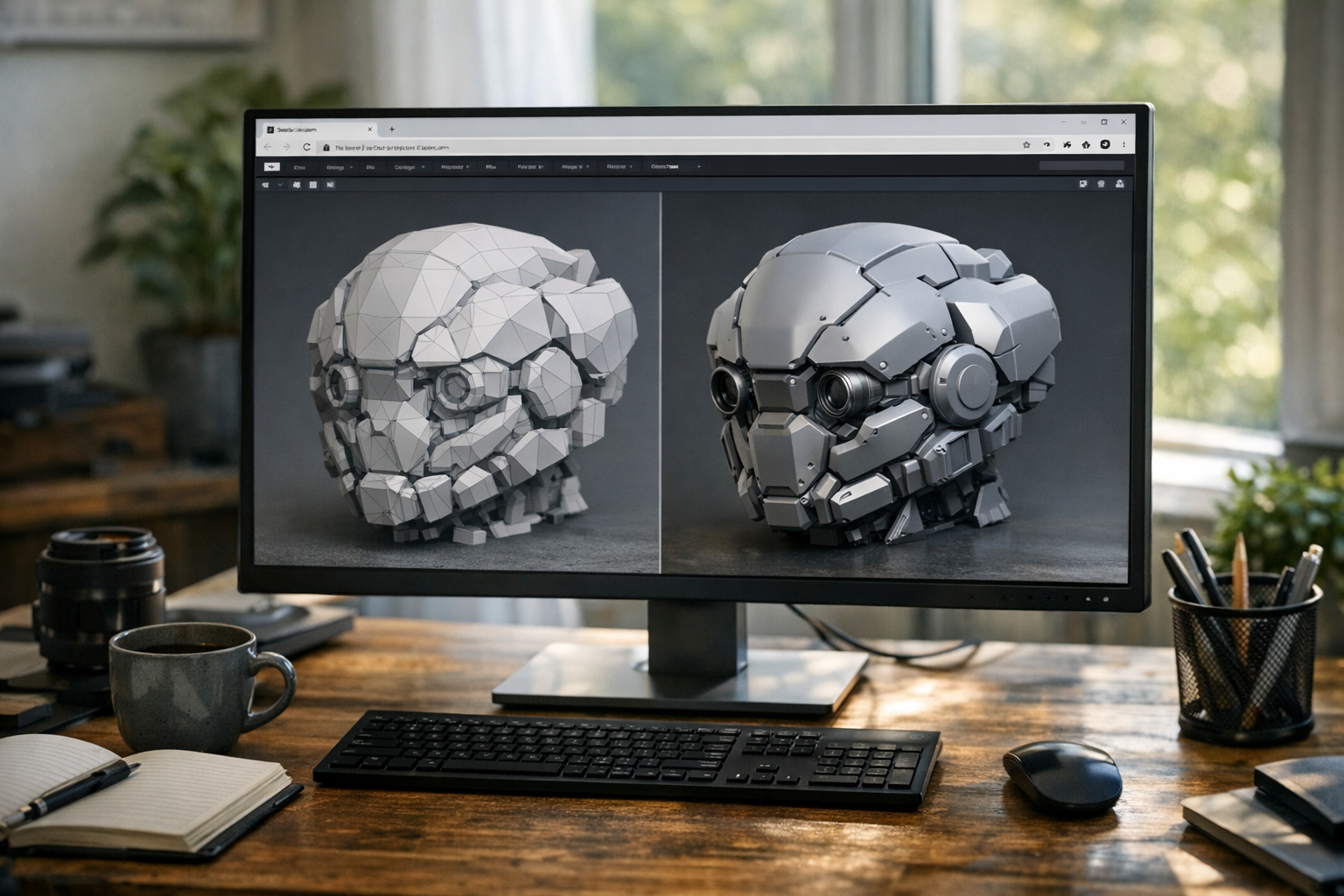
Performance issues reveal critical insights into design and technical decisions. They highlight the constraints of current technology and the necessity for simplification. For instance, reducing the polygon count in 3D models can significantly enhance loading times, making projects more feasible for real-world applications.
The Importance of Failure and Iteration
Failure is not just an option; it is an essential part of the process. Each setback provides valuable insights, leading to iteration and subsequent improvement. Simplifying designs and focusing on core functionalities often emerge as the best solutions. This iterative process embodies a cycle of learning and adaptation, vital for building resilient digital projects.
Embrace failure as a stepping stone to success. Each iteration brings you closer to the goal.
Source
In conclusion, building experimental digital projects on the modern web is a journey fraught with challenges and learning opportunities. By embracing failure, iterating with intention, and simplifying designs, we can create not only impressive but also performant digital experiences. This reflective process is where real innovation happens.



Comments 0
Be the first to comment on this post.