
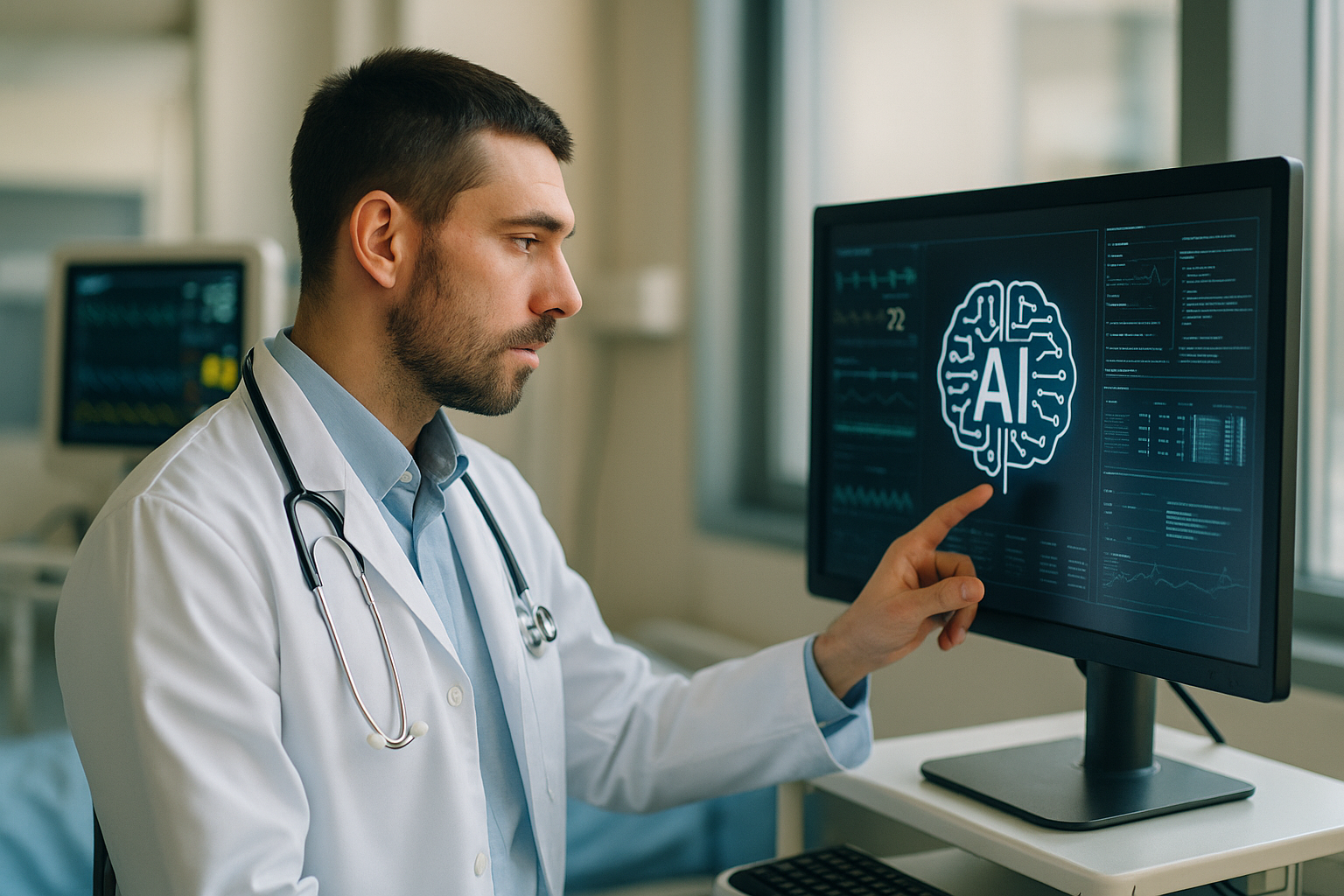

Artificial Intelligence (AI) has captured public imagination largely through its generative capabilities, from creating art to crafting conversational chatbots. Yet, beneath this creative surface, a quieter revolution is underway: AI is being integrated into high-reliability domains where its role is crucial for ensuring safety and reducing harm.
What the NAM Initiative Is About
The National Academy of Medicine (NAM) has launched the 'Patient Safety in the Era of AI' initiative, a significant step toward integrating AI into healthcare to improve patient safety. This initiative aims to reduce preventable medical harm by identifying risks introduced by AI, and developing national strategies for safe AI deployment. It represents a long-term collaborative effort involving researchers, clinicians, and technologists.
The “Zero Harm” Vision
The concept of 'zero harm' is not new. Industries such as aviation, nuclear energy, and industrial automation have long pursued this philosophy. Now, healthcare is exploring how AI can support similar goals by enabling early detection of clinical risks, automated monitoring of patient safety indicators, and AI-assisted diagnostic support systems.
Why This Matters for AI Builders
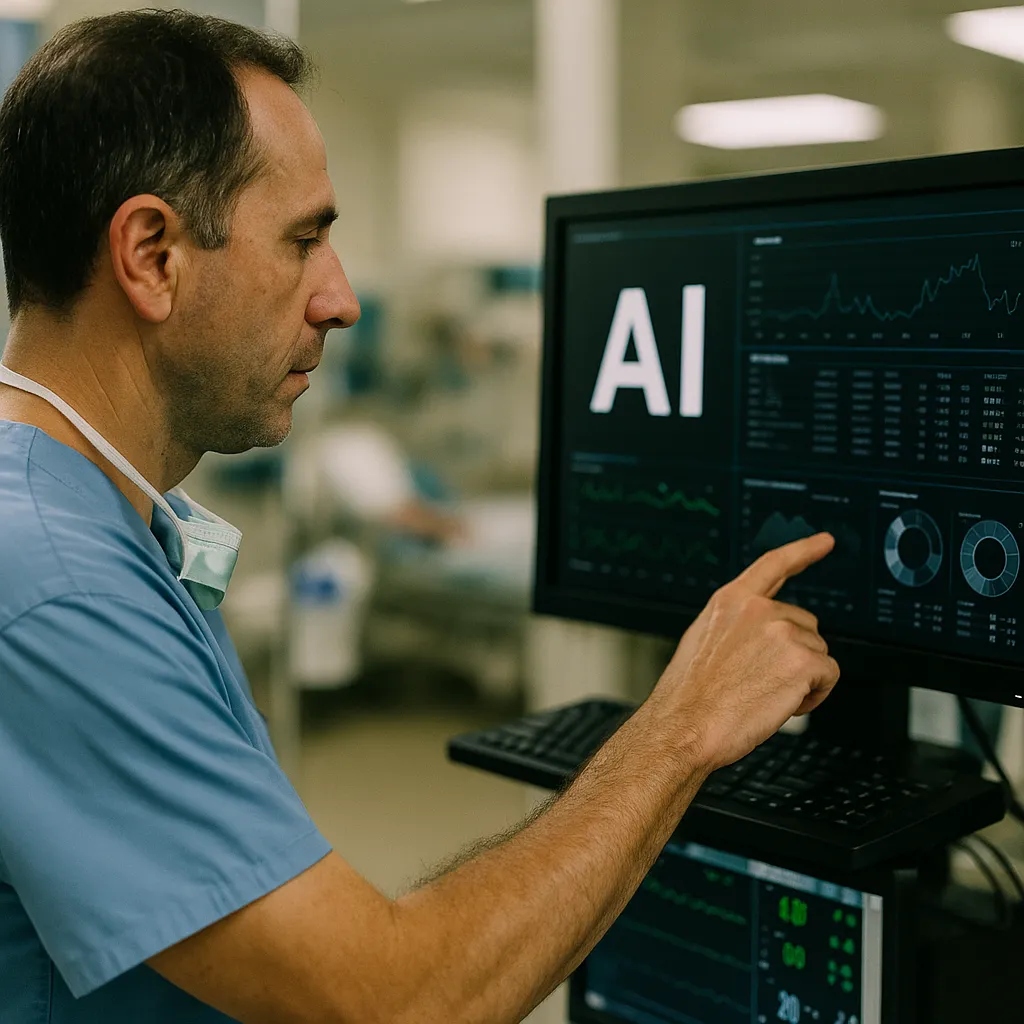
For AI developers and digital product creators, this shift emphasizes the importance of building systems that prioritize reliability, interpretability, auditability, and safety guarantees. While creativity and productivity have driven AI innovation, mission-critical environments require a focus on these new priorities.
The Reliability Challenge
Deploying AI in safety-critical environments like healthcare introduces engineering challenges. These systems demand predictable performance, robust testing, and strong regulatory oversight. AI models must be evaluated not just for accuracy, but also for failure modes and safety implications.
Empowering Users and Patients
A key theme of the NAM initiative is that AI should empower users, not replace them. In healthcare, this means providing decision-support tools for clinicians, systems that help patients better understand medical data, and safety alerts integrated into clinical workflows, thereby augmenting human judgment.
A Broader Societal Shift
This movement towards AI in safety-critical roles is not limited to healthcare. Other sectors such as transportation, infrastructure monitoring, disaster response, and environmental systems are also exploring AI for enhancing public safety and system resilience. This signals a broader transition toward AI as a foundational infrastructure technology.
What This Means for the Future of AI Products
For developers building AI products, this trend indicates that future successful systems may increasingly prioritize reliability, transparency, and safety over novelty and speed of deployment. This represents a maturation of the AI ecosystem, where trust and reliability become core elements.
The launch of the National Academy of Medicine’s initiative marks a critical turning point in AI’s evolution. As AI transitions from an experimental technology to a core component of systems designed to protect human wellbeing, developers must focus on creating systems that are reliable and trustworthy, especially when the stakes are highest.




Comments 0
Be the first to comment on this post.